
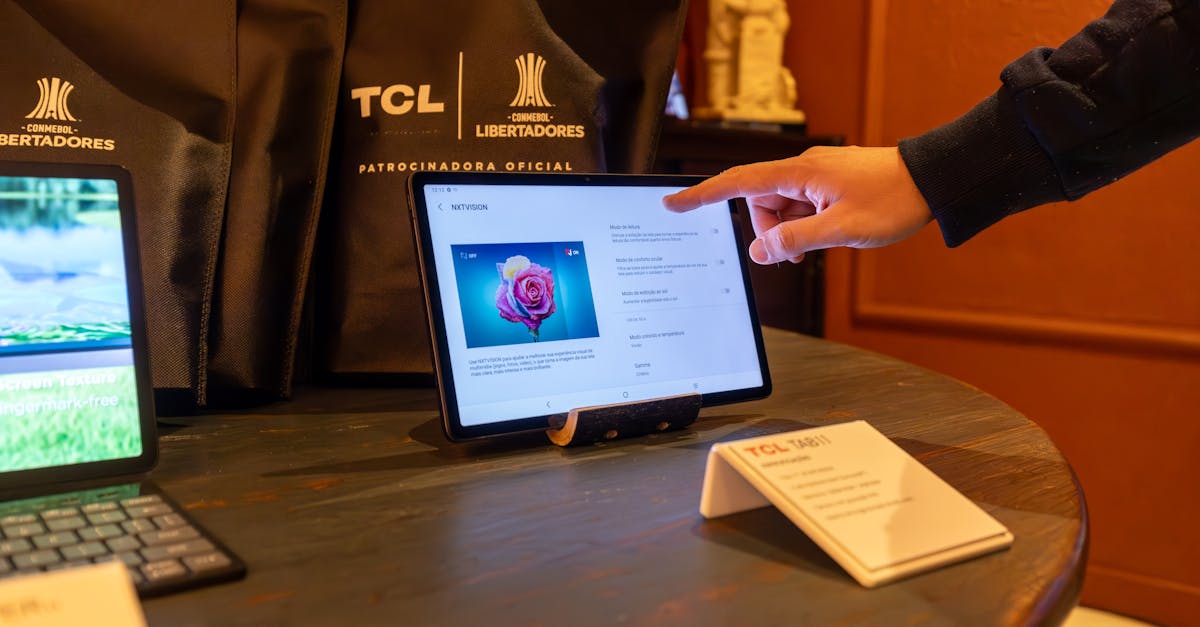
In a world where online shopping reigns supreme, nothing beats the thrill of an on-site product demo. Picture this: a lively presentation where potential buyers can see, touch, and even test drive the latest gadgets or gizmos. It’s like a first date with a product—no swiping left or right, just pure, unfiltered chemistry.
Table of Contents
ToggleOverview of On-Site Product Demos
On-site product demos offer potential buyers a chance to interact directly with products. This hands-on experience creates an engaging atmosphere that online shopping often lacks. Customers can touch, feel, and see how items function in real life. They gain insights into product features and benefits through personal interaction.
Agents play a crucial role in guiding these demonstrations. Their expertise helps address questions and concerns. Tailored presentations cater to specific customer needs, enhancing the overall experience. Buyers often leave with a clearer understanding of how a product fits into their lives.
Convenience also factors into on-site demos. Companies can showcase products in familiar environments, making participation more comfortable. This strategy increases the likelihood of conversion, as customers can visualize using the product in their own space.
Statistics reveal that engaging customers in this manner can significantly boost sales. A report from the Marketing Research Group states that personalized demonstrations can increase conversion rates by up to 40%.
On-site product demos foster trust and credibility as well. Customers often feel reassured by seeing the product in action, reducing anxiety associated with purchasing decisions. Establishing rapport through direct interaction can build long-term relationships with the brand.
Overall, on-site demonstrations deliver unique advantages that resonate with buyers. They create memorable experiences that drive informed decisions and reinforce brand loyalty.
Benefits of On-Site Product Demos
On-site product demos offer significant advantages. They significantly enhance customer engagement and provide hands-on experience that online formats can’t match.
Enhancing Customer Engagement
Engagement thrives when customers can interact directly with products. Personal interactions during demos create emotional connections, which are vital for decision-making. Custom presentations address specific needs, making customers feel valued. With a more engaging atmosphere, attendees participate actively, asking questions about product features. These interactions lead to increased interest and greater chances of conversion. Statistics show that personalized experiences can elevate sales by up to 40%. Ultimately, on-site demos foster deeper relationships between customers and brands, enhancing overall satisfaction.
Providing Hands-On Experience
Experience shapes perceptions and influence buying choices. On-site demos allow customers to touch, feel, and test products in real time. By experiencing product functionality firsthand, they gain a better understanding of value. Contextualizing products in familiar environments makes them more appealing. Customers notice features and benefits that online viewing often overlooks. Trial opportunities create confidence as customers assess compatibility with their needs. Continued exposure during these experiences builds credibility and trust, reinforcing favorable purchasing decisions. Overall, hands-on interactions enhance the likelihood of brand loyalty and repeat business.
Key Elements of a Successful On-Site Product Demo
Successful on-site product demos rely on thoughtful execution and audience engagement. Key elements lead to memorable experiences and informed purchasing decisions.
Preparation and Planning
Preparation sets the stage for effective demos. Establish clear objectives before starting, which helps guide the presentation. Assess the venue to optimize the setup, ensuring product visibility and participant comfort. Create a structured agenda that includes engaging activities and time for questions. Practice the demonstration multiple times to refine delivery and anticipate potential challenges. Familiarity with the product and its features enhances credibility during the demo. By focusing on these preparatory steps, presenters can create a seamless and engaging experience.
Tailoring the Demo to the Audience
Tailoring the demo to the audience ensures relevance. Begin by researching participants’ preferences and needs, which allows customization of the presentation. Highlight features that resonate with specific audience segments, making the demo feel personalized. Involve attendees in interactive elements, encouraging their input or feedback throughout the presentation. Effectively addressing concerns shapes the demonstration, increasing engagement and interest. Presenters that adapt their styles to different audiences foster a connection, enhancing the likelihood of purchase decisions. Concentrating on these aspects engages audiences and elevates the overall demo experience.
Common Challenges in On-Site Product Demos
On-site product demonstrations face several common challenges that can hinder their effectiveness. Limited space during a presentation restricts product visibility and customer interaction. Conducting demos in a cluttered environment complicates the audience’s ability to focus on key features. Managing time effectively also poses a challenge, as presenters must balance showcasing products while addressing customer inquiries without extending the session unnecessarily.
Technical issues frequently arise in on-site settings, leading to disruptions. Equipment failures such as projector malfunctions or connectivity problems can significantly affect the demo’s flow. These hiccups detract from the overall experience, making preparation for such contingencies essential. Inadequate training for agents presenting the products can contribute to mixed messages. Knowledge gaps may prevent them from addressing customer concerns effectively, ultimately impacting buyer confidence.
Another challenge involves engaging diverse customer segments. Tailoring presentations to various audience needs requires extensive research and adaptability. Customizing content ensures that all attendees feel involved, but failure to achieve this can limit participation. Moreover, managing participant expectations is crucial. Potential customers expect a personalized experience, and if the demonstration doesn’t meet these expectations, interest levels may drop.
Logistical issues present additional hurdles, especially when coordinating schedules and travel. Conflicting calendars can result in a lower turnout, impacting overall conversions. It becomes vital for presenters to establish clear communication and effective follow-up strategies post-demo for maintaining engagement. Recognizing and addressing these common challenges will enhance the effectiveness of on-site product demonstrations, ensuring they resonate with potential buyers and ultimately drive sales.
On-site product demonstrations offer a unique opportunity for brands to connect with potential customers in a meaningful way. By providing hands-on experiences and personalized interactions, these demos create an engaging environment where buyers can truly appreciate product features. The emotional connections formed during these presentations not only enhance confidence in purchasing decisions but also foster long-term brand loyalty.
Addressing the challenges that may arise during on-site demos is crucial for maximizing their effectiveness. With careful planning and a focus on audience engagement, brands can turn these events into powerful tools for driving sales and building trust. Ultimately, embracing the advantages of on-site product demos can lead to increased conversions and a more loyal customer base.